How Berlin Is Reinventing Leisure Time Digitally
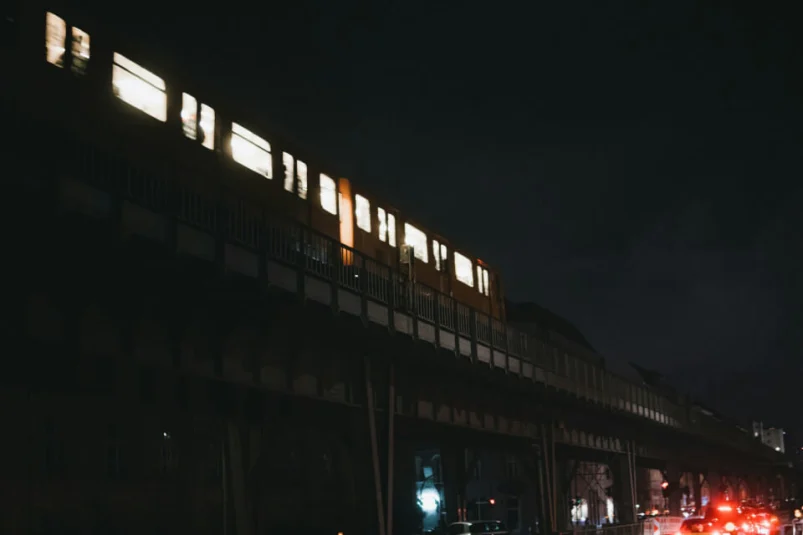
Friday night in Kreuzberg: The tables outside the bars along the Landwehr Canal are filling up; someone scans the QR code for the drink menu; the ticket for the concert near Berghain has long been saved as a PDF on their phone; and the table for sushi in Mitte was reserved via an app. Cash? Hardly anyone needs it anymore. Berlin, a city that’s constantly reinventing itself anyway, has digitized its leisure scene almost unnoticed in recent years. From the flea market at Mauerpark—where vendors now have card readers on their folding tables—to evening entertainment on the couch, the lines between the analog and the digital are blurring. And with this development, new payment methods are coming into focus that sounded exotic just a short time ago.
From the Flea Market to the Late-Night Session
Berlin has always been a city of night owls and weekend planners. But the way this leisure time is organized has changed fundamentally. Anyone planning a relaxed Saturday today juggles a handful of apps: checking restaurant reviews, Googling the nearest late-night convenience store, or spontaneously buying tickets for an exhibition at the Hamburger Bahnhof. The transition between going out in the real city and digital pastimes at home has become seamless.
That’s exactly where the digital transformation comes in. After a long evening in Friedrichshain, you don’t necessarily end up in bed anymore, but might spend another half hour on your phone—watching a series, playing a mobile game, or simply exploring the world of online entertainment that has developed around crypto payments. In a city like Berlin, the line between “partying out” and “relaxing in” is blurred anyway.
Berlin as a Laboratory for Digital Life
Hardly any other German city experiments as openly with new technologies as the capital. This is evident not only in the concentration of startups around Rosenthaler Platz, but also in how deeply the city government and the tourism industry are engaged with the future. Anyone who takes a look at the results of a future-oriented project will quickly realize that digital leisure and travel experiences have long been considered central pillars of urban development. Berlin sees itself as a place where people try out things that won’t arrive elsewhere until years later.
This openness is reflected in everyday life. From contactless payments at the Späti to smart ticketing systems on public transit—the city demonstrates how traditional experiences can be reimagined digitally. And where digital payments become the norm, the step toward new forms of currency is not far off.
Why the Capital Leads the Way in Smart Living
Rankings that evaluate German cities based on their level of digitalization also demonstrate that Berlin is not lagging behind technologically. The Smart City Index consistently ranks the capital near the top—in areas such as public administration, mobility, energy, and, of course, digital infrastructure, which shapes leisure life. A fast network, widespread Wi-Fi in many cafés and cultural venues, and a population that is open to new applications: this creates fertile ground for developments that are met with more skepticism elsewhere.
In terms of leisure activities, this means, quite specifically, that anyone living in or visiting Berlin finds themselves in an environment where digital payment methods are taken for granted. Whether shopping online for vintage fashion from one of the numerous secondhand stores or exploring entertainment options on the web—the technical infrastructure is in place, and the barrier to adoption continues to fall.
Stablecoins at the Intersection of the FinTech Scene and Leisure Culture
Berlin is not only a party and cultural capital, but also a hub of the German fintech industry. Numerous companies here are working on digital payment solutions, and stablecoins are playing an increasingly important role in this. The fact that a report about a partnership between a Berlin-based fintech company and a major stablecoin issuer is making headlines shows just how seriously the industry takes this topic. What’s developed in the conference rooms of these startups ultimately finds its way into users’ leisure lives.
The advantage of USDT and similar coins is obvious, especially for leisure applications: the value remains stable, transactions are fast and inexpensive, and you don’t have to worry about wild price fluctuations while you’re relaxing. For many Berliners, who are already digitally savvy, this fits seamlessly into their everyday lives—somewhere between paying for a train ride via an app and streaming their favorite TV series.
What This Means for After-Work Hours
Ultimately, it all comes down to one thing: convenient, seamless entertainment. Digitalization hasn’t made Berlin’s leisure scene colder—it’s made it more flexible. If you’re not tired after a concert at the Astra Kulturhaus, you’ll find online options available around the clock. If you don’t feel like taking the subway, you can simply move the fun to your couch.
The city remains true to its character: curious, open, always one step ahead. Whether strolling through a flea market, visiting a craft beer shop, or enjoying a late-night digital pastime—Berlin shows how modern technology and a vibrant leisure culture can come together. Stablecoins like USDT aren’t out of place here; they’re simply another tool in a city that has elevated experimentation to an art form. And anyone who takes a close look around Kreuzberg, Mitte, or Neukölln will sense that the next digital step is usually already in the works here.

Berlin Poche
Editorial Team
Always looking for new addresses, we like to share our discoveries and make you discover the best places in Berlin.