E-sports events and gaming shape Berlin's leisure culture
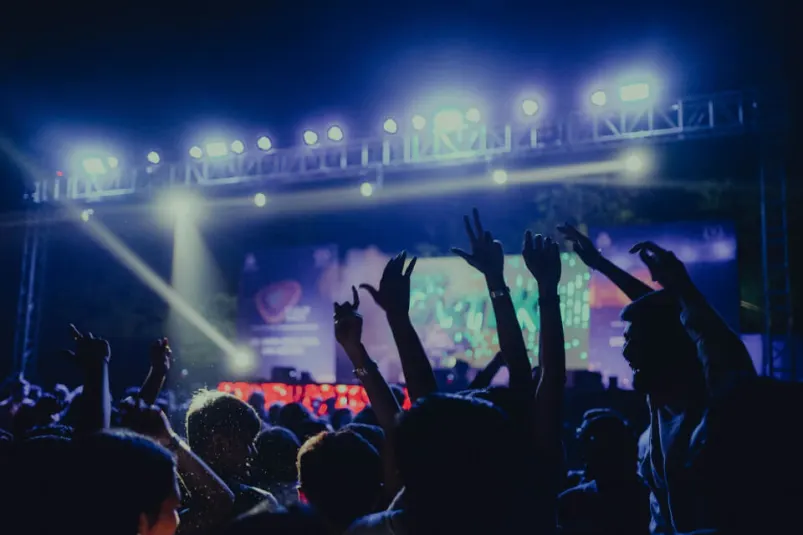
Berlin loves to experiment. But with the growing gaming scene, the city faced a problem: for a long time, digital entertainment took place predominantly online, spread across platforms and private spaces. Encounters, exchanges, and a real sense of community often fell by the wayside.
In 2026, the picture is different. E-sports tournaments, gaming bars, and community nights have become regular haunts that bring together technology, culture, and leisure. What used to be a niche is now part of everyday urban life – with clear solutions for old gaps.
E-sports as a live experience
E-sports has made the leap from the couch to the stage. Live tournaments attract spectators who are looking for more than just streams: atmosphere, competition, and proximity to the scene. This shift highlights how important trust and clear rules have become in the digital space. A comprehensive guide states that “security and reliability are key criteria when choosing digital platforms,” which also resonates at public gaming events.
This is not about gambling, but about transparency and regulation as the basis for acceptance. Organizers are responding with clear formats, age ratings, and open schedules. The result: e-sports is being taken seriously as a live experience and is gaining new target groups.
Gaming bars and public viewings
Places such as gaming bars and event locations are closing another gap. They offer space for public viewings, open tournaments, and relaxed gaming nights. Formats that are low-threshold and appeal to newcomers as well as experienced players are particularly in demand.
At the same time, the industry is growing structurally. According to a report, the planned House of Games will bring together around 4,000 employees and approximately 350 companies from the gaming industry in one location. This concentration not only strengthens companies, but also the event landscape, because networks are created more quickly.
Digital Entertainment and Regulation
With the boom comes a growing need for clear framework conditions. Berlin is focusing on promotion rather than bans. Through the “Esports Team Berlin Program,” 20 young talents will receive professional support over a period of eight months. This creates prospects and anchors esports as a serious discipline.
The economic impact is also evident. The German gaming market grew by 4% to around €4.6 billion in the first half of 2025. This momentum is reflected in Berlin – from hardware stores to event technology.
Why Gaming Events Connect Berlin
Ultimately, it's about more than just games. Gaming events create places where students, creative types, expats, and visitors can meet. They break down barriers and promote exchange in a city that thrives on diversity.
The solution for the once fragmented scene is therefore obvious: visibility, promotion, and genuine meeting places. Berlin has brought these building blocks together in 2026, creating a digital leisure culture that connects rather than isolates.

Berlin Poche
Editorial Team
Always looking for new addresses, we like to share our discoveries and make you discover the best places in Berlin.