What video games do Berliners play on the subway in the morning?
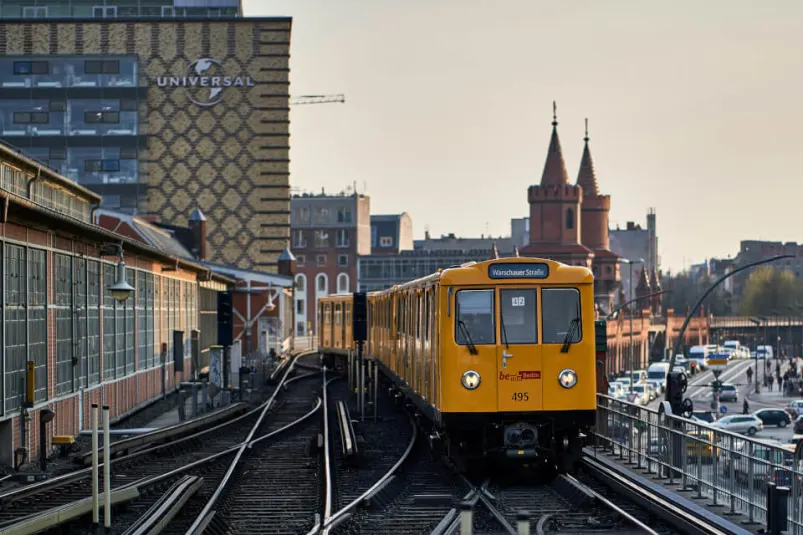
Berlin’s subway carries over 1.5 million passengers daily, and a growing proportion of them spend their commute tapping, swiping, and strategizing in mobile games. According to Statista, the German mobile gaming market is expected to reach a volume of nearly two billion dollars by 2027. Worldwide, there are already around three billion people who regularly play games on their smartphones. This growth isn’t coming from teenagers in their bedrooms. It’s coming from commuters on the train.
Casual Games Dominate the Rails
Puzzle and casual titles lead the European download charts, and Berlin is no exception. Block Blast, Monopoly GO, and various word games fill the screens on the U6 and U8 lines every day. According to Sensor Tower, puzzle, simulation, and arcade games top the charts in every major European market. These games are perfect for the 15 to 20 minutes between stops.
2D games have also built up a loyal fan base among German mobile gamers. The appeal is obvious: short rounds, appealing graphics, and no learning curve. Anyone looking to discover new titles beyond their own app store often comes across curated lists of the best games, allowing them to compare features before committing to a game.
What all these genres have in common is their simplicity. You start on Warschauer Straße and put your phone away again at Mehringdamm without losing your game progress.
Why the commute has changed our gaming habits
A Newzoo report shows that around 83 percent of gamers worldwide play on mobile devices. One of the main reasons? Convenience. People play wherever they happen to be. And in Berlin, that means: underground.
The average commute in Berlin takes about 35 minutes each way. That’s 70 minutes of downtime a day, five days a week. Mobile games turn those minutes into something active. Strategy fans build empires on the U2.
Puzzle gamers battle their way through levels on the way to Friedrichshain. Industry data also shows that 44 percent of female gamers play exclusively on their smartphones, significantly more than men.
The rollout of 5G across Berlin’s public transit network has played a key role in this. Fewer dropped connections mean longer gaming sessions and better performance for games that rely on stable server pings. The Statista Digital Market Outlook forecasts steady annual growth for the German mobile gaming sector through 2027. Improved infrastructure is a key factor behind this forecast.
Berlin’s gaming culture extends far beyond the screen
Mobile gaming on the subway is just a small part of a much bigger picture. Berlin hosts events like Games Ground and re:publica, where developers, streamers, and casual gamers come together. The city’s startup scene has spawned studios like YAGER and the audio tech company Endel. VR arcades in Friedrichshain and immersive installations at Light Art Space demonstrate just how deeply digital gaming has woven itself into the city’s cultural fabric. What is still considered a niche elsewhere has long been part of everyday life in Berlin.
If you’re looking for more ways to make the most of your smartphone in Berlin, these Berlin apps offer everything from public transit tools to local event recommendations. Combined with a good game, your commute almost takes care of itself.
Next time you're on the subway, take a look to your left and right. The person next to you might be in the middle of a puzzle marathon or playing a new game they discovered online. Whether you're on the U7 heading toward Rudow or the U9 heading toward Osloer Straße, people are gaming everywhere. Berlin’s commuters have figured out something the rest of the world is just catching up to: The best gaming setup is the one that’s already in your pocket.

Berlin Poche
Editorial Team
Always looking for new addresses, we like to share our discoveries and make you discover the best places in Berlin.