The German Stare explained: Why Germans Stare at You
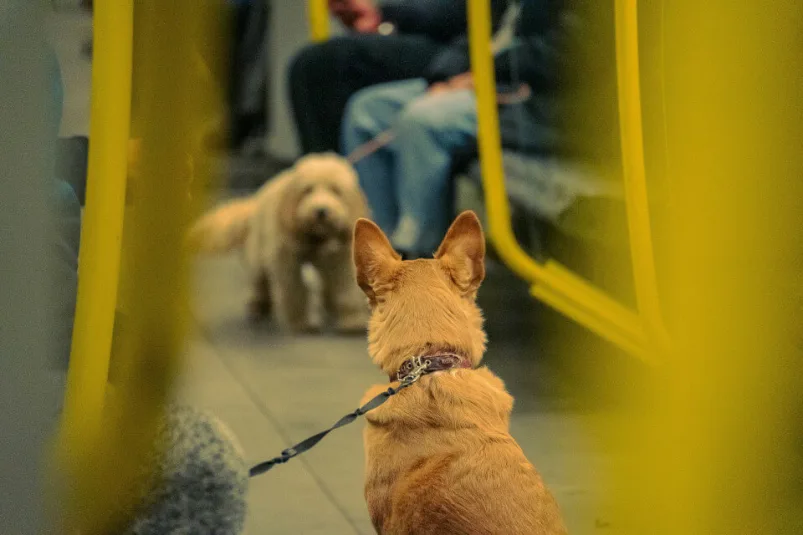
If you’ve spent more than five minutes in Germany, chances are this has happened to you:
You’re sitting on the U-Bahn.
You look up.
Someone is staring directly at you.
Not a quick glance.
Not an awkward half-second look away.
A full, steady, unblinking stare.
Your brain immediately goes into overdrive:
Do I know them?
Is something wrong with my face?
Did I accidentally break a rule?
Is this… a fight?
Welcome to the German stare.
It’s one of the most talked-about (and misunderstood) aspects of German culture — especially among expats, tourists, and anyone who didn’t grow up here.
Let’s talk about why Germans stare, what it actually means (spoiler: usually nothing), and how to deal with it without losing your mind.
What Is “The German Stare”?
The German stare refers to the tendency of people in Germany to look at others openly, directly, and for longer periods of time than what’s considered normal in many other cultures.
In countries like the US, UK, or Canada:
- Prolonged eye contact = confrontation, flirting, or danger
- Looking at strangers too long = rude
In Germany:
- Prolonged eye contact = neutral observation
No hidden message.
No judgment.
No small talk required afterward.
The German stare meaning is simply that there is no meaning ;)
Just… looking.
My First Encounter with the German Stare
The first time it happened to me, I was convinced I had done something wrong.
I was standing in line at a bakery in Berlin, proudly attempting to order in German. When I turned around after paying, an elderly woman was staring straight at me.
No smile.
No frown.
Just intense eye contact.
I smiled politely.
She didn’t.
I checked my jacket zipper.
Still staring.
I replayed my accent in my head.
Still staring.
Finally, I smiled again and said, “Ähm… hallo?”
She nodded once - very seriously - and looked away.
That was it.
No drama.
No comment.
Just observation complete.
Why Do Germans Stare? (The Cultural Explanation)
1. Germans Don’t See Staring as Rude
This is the most important point.
In German culture, looking is not automatically impolite. Avoiding eye contact can actually feel more suspicious or dishonest.
Looking directly at someone simply means:
- You exist
- I am aware of you
- No further action required
It’s efficient. Very German.
2. Observation Is Not Judgment
In many cultures, being stared at feels like being evaluated.
In Germany, it’s closer to:
“That person is there.”
That’s it.
They’re not thinking:
- Your outfit is weird
- Your behavior is wrong
- You’re being judged
They’re thinking:
- Human. Observed. Continue day.
3. Privacy Works Differently in Public Spaces
Here’s the paradox:
Germans care deeply about privacy, but mostly in a legal and personal boundary sense — not a visual one.
So while:
- No one will ask you personal questions
- No one will talk to you without reason
They may:
- Look at you on the train
- Watch you cross the street
- Observe your dog, shoes, haircut, or snack choice
Silently. Thoroughly.
4. Small Talk Is Optional — Looking Is Not
In cultures where small talk is common, eye contact often comes with:
- Smiles
- Nods
- “How are you?”
In Germany, the absence of small talk doesn’t mean coldness — it means respecting your space.
Ironically, staring without engaging can be their version of not bothering you.
Situations Where the German Stare Is Extra Strong
You’ll notice it most in these places:
- 🚆 Public transport (U-Bahn, S-Bahn, trains)
- 🧑🍳 Bakeries and supermarkets
- 🏊 Swimming pools & saunas (yes, especially there)
- 🚌 Bus stops
- 🐶 When you have a dog or a baby
Bonus points if you:
- Speak a foreign language
- Wear something unusual
- Look lost
- Break an unspoken rule (standing on the wrong side of the escalator, for example)
A Funny (and Slightly Traumatizing) Sauna Story
Let’s talk about the sauna, because if the German stare confuses you, the sauna will finish the job.
Picture this:
You enter a German sauna for the first time. Everyone is naked. You are trying very hard to act normal.
You sit down.
Across from you:
A man makes direct eye contact.
Holds it.
Does not blink.
Does not smile.
Does not look away.
Your soul leaves your body.
Later, you realize:
- He wasn’t being creepy
- He wasn’t flirting
- He wasn’t asserting dominance
He was just… existing.
And you happened to be in his line of sight.
Welcome to cultural enlightenment.
How to Respond to the German Stare
Here are your options, ranked from safest to boldest:
✅ Option 1: Do Nothing
The most German response.
Just continue with your life.
🙂 Option 2: Brief Eye Contact + Neutral Face
Acknowledge, then move on.
👋 Option 3: Smile or Nod (Advanced Level)
Sometimes returned. Sometimes not.
Do not take it personally.
❌ Option 4: Overthink It
Strongly discouraged. You will lose.
Does the German Stare Ever Mean Something?
Occasionally, yes.
It might mean:
- You’re standing in the wrong place
- You broke a rule (quiet hours, bike lane, recycling)
- You’re doing something unusual
But even then, the stare is often a warning without words, not aggression.
If someone is actually upset, Germans tend to be very clear about it — verbally.
The German Stare vs. Other Cultures
| Culture | Prolonged Staring Means |
|---|---|
| USA / UK | Confrontation or awkwardness |
| Southern Europe | Interest or emotion |
| Japan | Rude or aggressive |
| Germany | Observation |
Different rules. Same eyeballs.
The Moment It Stops Being Weird
Here’s the funny thing:
After a while, you start doing it too.
One day you’ll catch yourself:
Looking at someone on the train
Holding eye contact
Not smiling
Not realizing it’s “weird”
Congratulations.
You’ve adapted.
Final Thoughts: It’s Not You
If Germans are staring at you, remember:
You’re not being judged
You’re not being rude
You’re not doing something wrong
You’re just being seen.
And in Germany, that’s perfectly normal.

Berlin Poche
Editorial Team
Always looking for new addresses, we like to share our discoveries and make you discover the best places in Berlin.