High-Altitude Vacations: Why You Shouldn’t Start the First Day at Full Speed
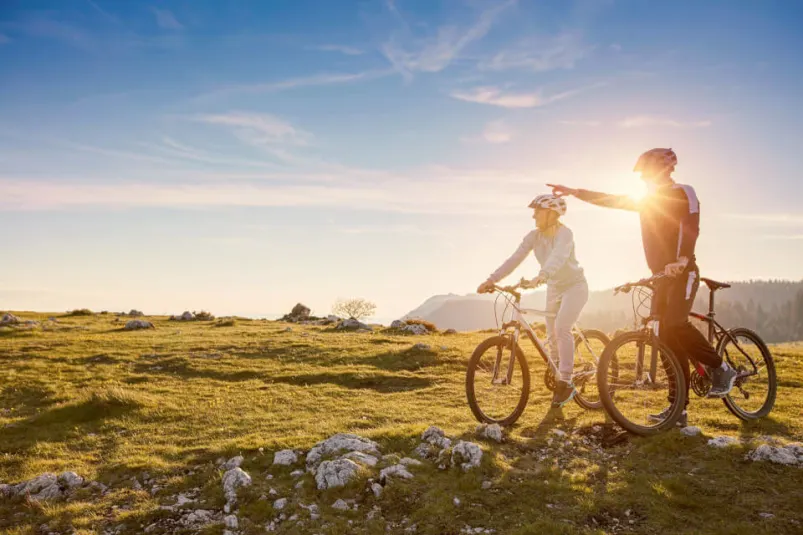
A vacation in the mountains sounds like fresh air, exercise, scenic views, and finally getting away from the daily grind. That’s exactly why the first day is often packed with too many activities. Going for a run right after arriving, heading up the mountain early the next morning, followed by a sauna, a good meal, and maybe a walk at sunset. Sounds nice, but it can put unnecessary stress on the body. Especially in high-altitude locations, the body sometimes needs more time to truly adjust.
This has nothing to do with being out of shape. Altitude, the journey, temperature changes, and unfamiliar physical activity all play a role. Those who plan their start more wisely usually get more out of their entire stay.
Why does the body feel different in the mountains?
As altitude increases, the physical demands change. The air is cooler, often drier, and the body has to work harder to regulate itself. Even if it doesn’t feel dramatic right away, your heart rate, breathing, and circulation may react differently than usual. The change is especially noticeable after a long car ride, little sleep, or a stressful workweek.
Typical signs include heavy legs, faster breathing on inclines, a slight pressure in the head, or unusual fatigue. This doesn’t have to be a problem, but it does indicate that your body isn’t quite in vacation mode yet. That’s why the first day is ideal for starting slowly, rather than immediately planning the most active itinerary.
What should you avoid on the day of arrival?
The day of arrival is rarely suitable for long hikes. After hours of sitting, your back, hips, and legs are already strained. Add to that unfamiliar roads, luggage, check-in, and often a certain inner restlessness. If you jump right into physical activity, you’re robbing your body of the chance to adjust.
A clear, simple routine is better: arrive, drink, move around a bit, eat early, and sleep well. A short walk is a good idea, but not a long hike with significant elevation gain. A sauna or intense spa treatments right after arrival shouldn’t be a must either. Heat can be relaxing, but it can also put a strain on your circulation.
If you use the Zischghof, a hotel in Obereggen, as a base for active days, you can consciously keep the first afternoon low-key and wait until the next day to decide how much exercise really feels right.
How can you get off to an active start without overdoing it?
A good second day doesn’t start with the toughest destination. It makes more sense to plan a route that leaves several options open. Trails with shortcuts, moderate elevation gain, and places to rest make for a more flexible start. The time of day also plays a role. In the morning, the body isn’t always ready for full exertion; at midday, the sun can be stronger; and in the afternoon, the weather in the mountains can sometimes change more quickly.
It’s important to consider not just the route, but your own condition. How was the night? Do your legs feel loose? Is your circulation stable? Do you have enough water and sunscreen? If you answer these questions honestly, you’ll avoid unnecessary overambition.
Why breaks aren’t a wasted day of vacation
Many vacations fail not because there isn’t enough to do, but because there isn’t enough rest between activities. Especially in the mountains, a break is often more than just doing nothing. It helps process experiences, stabilize the body, and better enjoy the next day.
A good break can be a quiet morning, a late breakfast, a short walk with no destination, or simply an afternoon with no plans. This rhythm is especially worthwhile for longer vacations: an active day, followed by a lighter day. This helps conserve energy, rather than having to cut everything short after two days.
What should be included in practical preparations?
Even short mountain getaways require some planning. Good shoes are more important than stylish outfits. Layering your clothing helps with fluctuating temperatures. Water, small snacks, sunglasses, a hat, and a realistic assessment of the trails are also essential. If you’re traveling with children, older adults, or less experienced companions, you shouldn’t choose routes based on the fittest member of the group.
It’s also helpful to check the weather, the return route, and places to stop for a break. In the mountains, it’s better to have a margin of safety than to have to improvise along the way.

Berlin Poche
Editorial Team
Always looking for new addresses, we like to share our discoveries and make you discover the best places in Berlin.