The Perfect Wine Glass? Glasses from Josephinenhütte
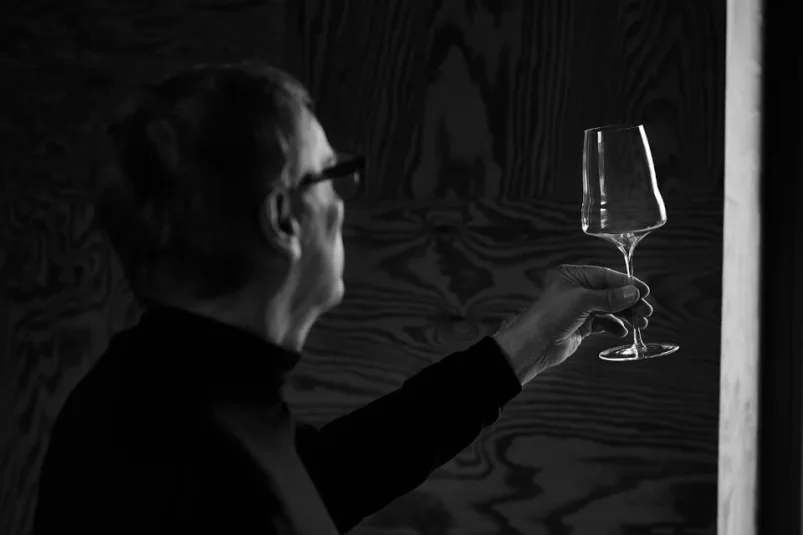
A touch of glass that’s taking the world of fine dining by storm: Why a revived traditional Silesian brand and designer Kurt Josef Zalto’s vision demonstrate how true luxury works in Germany.
From Berlin-Mitte to the three-star temples of the Eifel, a quiet revolution is currently unfolding on dining tables. Where heavy, bulbous crystal glasses stood for decades, sommeliers today are reaching for designs that almost seem like an optical illusion when held up to the light. Paper-thin, extremely light, and interrupted halfway up by a striking, almost avant-garde curve—a bend.
Anyone picking up a glass from the Josephinenhütte for the first time is taken aback. The material weighs almost nothing. And when the wine touches the palate, something happens that fascinates restaurant critics and top chefs alike: the aromas seem more precise, more concentrated, and more complex.
In Berlin’s fine-dining scene, as well as in time-honored three-star restaurants—such as the Sonnora in the Eifel—glasses from the “JOSEPHINE” collection have become the norm. Magdalena Rambichler, sommelier at Sonnora, sums up the phenomenon: In these glasses, guests experienced wines they thought they’d known for years in a completely new way.
But the story behind these glasses is far more than just a culinary anecdote. It’s a lesson in how true luxury is created in Germany—and why this concept has a completely different meaning here than in the fashion capitals of Paris or Milan.
The Legend from the Sudeten Mountains—and a Sixth-Generation Visionary
The roots of the Josephinenhütte reach deep into the history of European craftsmanship. Originally founded in 1842 in the Silesian part of the Giant Mountains as a glassworks, the company was regarded for nearly two centuries as synonymous with the fine art of glassmaking. But like so many traditional glassworks, the original Josephinenhütte faded from history over time.
The fact that the name is once again gracing tables in the world’s finest restaurants—from Berlin to DiverXO in Madrid to the Alchemist in Copenhagen—is thanks to the initiative of three friends and the exceptional talent of one man: Kurt Josef Zalto.
Zalto, a sixth-generation glass designer, is simply regarded as the gold standard in the wine world. For decades, he has been researching the interplay between glass shape, oxygen exposure, and the release of volatile aromas. With the “JOSEPHINE” collection, he created his personal masterpiece: glasses whose iconic bend is not merely an aesthetic flourish, but a feat of functional excellence. It breaks the wine’s surface when swirled, introduces oxygen to the wine in just the right amount, and channels the aromas directly to the nose.
The German formula: perfection over ostentation
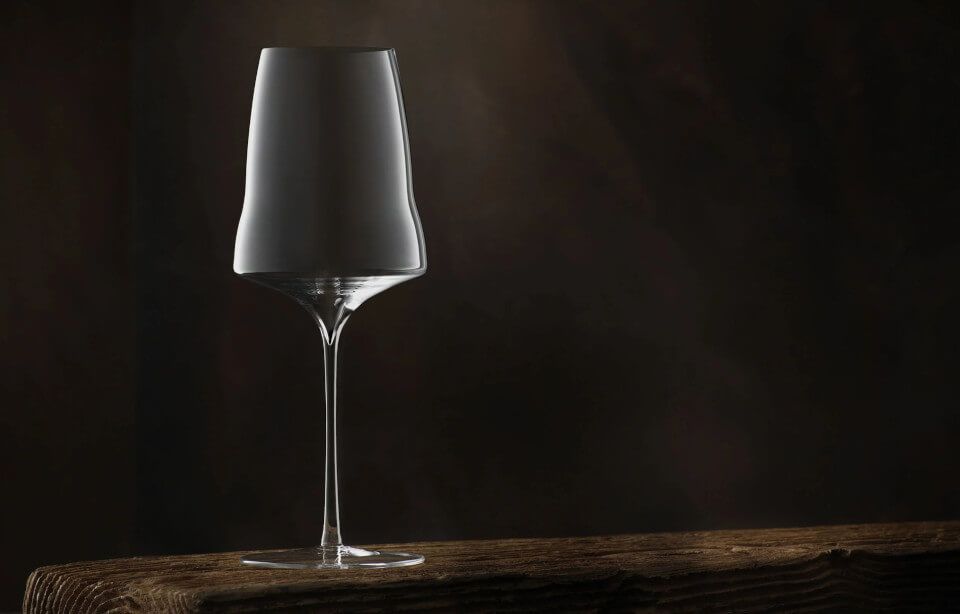
At a time when the word “luxury” is often equated with flashy logos, artificial scarcity, and decorative facades, the Josephinenhütte project stands for the exact opposite: the German and Central European ideal of luxury rooted in engineering and craftsmanship.
In Germany, luxury has rarely taken the form of the ostentatious Baroque style. The local concept of excellence has always been defined by:
- Absolute precision and function: Form consistently follows function. A glass is not a decorative piece for a display case, but a tool for maximizing flavor.
- Mastery of craftsmanship: Every single glass is mouth-blown and created through a series of meticulous, individual steps in a European glassworks. The glassblower blows the molten glass into a beechwood mold while continuously rotating the pipe. The stem and base are drawn and cut entirely by hand.
- Mastery of materials: The glasses are astonishingly flexible and robust, even though their walls are so thin that the barrier between the hand, the wine, and the palate seems to vanish—both visually and to the touch.
It is precisely this symbiosis of traditional craftsmanship and technological perfection that also distinguishes other world-renowned German brands—from optical instruments from Jena to watchmaking from Glashütte to mechanical engineering.
The Luxury of Substance
It is no coincidence that such passionate enthusiasm for these products has developed in Berlin of all places—a city long known more for its rugged charm than for classic luxury. The capital’s modern gastronomy has redefined the concept of luxury. It is no longer the romantic allure of golden chandeliers that counts, but rather the exceptional quality of the product on the plate—and in the glass.
A glass from Josephinenhütte is not a status symbol that cries out for attention. It is a quiet, refined luxury for connoisseurs. It proves that true luxury begins where nothing can be omitted and nothing more can be added—except liquid perfection.

Berlin Poche
Editorial Team
Always looking for new addresses, we like to share our discoveries and make you discover the best places in Berlin.