Leisure in Berlin: Between Neighborhood Culture and Smartphones
Berlin thrives on paths that rarely run straight: first coffee by the canal, then a quick detour to the park, and later a bar in your own neighborhood. At the same time, more and more leisure activities are moving to smartphones. Reservations, tickets, music, chats, and digital games are all in the same hand that was just checking the subway schedule.
The Neighborhood Remains the Primary Meeting Place
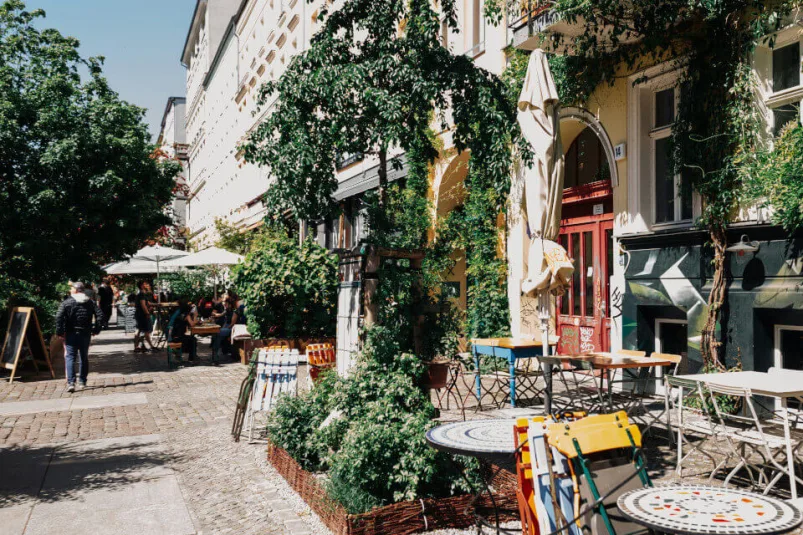
The Berlin neighborhood acts as a personal filter. Someone living in Neukölln makes different decisions about their evening than someone in Prenzlauer Berg or Moabit. A small bar, a chat at a late-night corner store, a market stall on Saturday, or a table outside a café are often enough to create leisure time without a big plan.
Nevertheless, the evening no longer necessarily ends at the door of the bar or café. Between two messages, buying a ticket, and searching for the next train, a quick video game can also pop up as one of many digital options in that same smartphone moment. What matters less is the location than the brief window of free time that needs to be filled.
Why the Smartphone Became a Leisure Compass
The smartphone hasn’t replaced leisure time in Berlin. It has simply made it more finely tuned. People sitting in the park compare events, send location links, or listen to the DJ set from the night before. The boundary between the real world and the digital world has become blurred. You don’t leave the analog space; you simply layer a second dimension over it.
This is particularly evident in spontaneous decisions. A free table, a nearby concert, a late dinner, a short stream, or a game for the ride home: these options no longer compete separately but coexist side by side on the same screen. What used to require planning now fits into a break of just a few minutes.
Short Breaks Change the Choices
Many mobile leisure moments don’t arise from boredom, but from downtime. Ten minutes until the tram arrives, a line outside the club, a late bus ride home: that’s exactly when people reach for their phones. Berlin offers plenty of attractions outdoors, but the screen complements them when the moment is too short for a new destination.
Between Park Benches, Bars, and Digital Impulses
An afternoon in Görlitzer Park or at Tempelhofer Feld clearly illustrates how diverse leisure time has become. Alongside blankets, bicycles, and drinks lie smartphones used to play music, send photos, or change plans. The device doesn’t automatically disrupt the scene; it has long been part of the social fabric of the day.
The difference lies in moderation. Someone sitting at a table with friends uses their cell phone differently than someone walking home alone. Mobile entertainment works best when it fills a gap rather than taking the place of the actual gathering. It is precisely this balance that often makes Berliners’ approach to it pragmatic rather than strict.
Which Leisure Activity Fits Which Moment
Not every form of entertainment suits every situation. A long evening with friends demands a different kind of attention than five minutes in a waiting area. Berlin makes these differences particularly apparent because public spaces, transportation, dining, and digital offerings are constantly intertwined. The choice often depends less on personal preference than on the time available.
| Everyday Moment | Typical Offline Option | Mobile Companion |
|---|---|---|
| Afternoon in the park | Conversation, music, picnic | Playlist, chat, event search |
| Waiting for the train | Observing, reading, planning | Quick game, message, route |
| Evening in the neighborhood | Bar, snack bar, small club | Reservation, payment, meeting spot |
| On the way home after midnight | Taxi, night bus, late-night store | Streaming, audio, digital entertainment |
This avoids an “either-or” situation. The city provides the backdrop, encounters, and activity; the smartphone provides access, speed, and choice. Anyone familiar with Berlin knows that leisure time rarely begins with a set plan. Often, a quick glance at the screen determines whether the evening will be extended, postponed, or simply brought to a quieter close.
What Remains in the End
Leisure time in Berlin has become more mobile without losing its street corners, parks, and neighborhoods. The smartphone brings together many things that used to be scattered: planning, communication, music, tickets, and digital entertainment. That’s precisely why the city’s appeal remains strong, because it continues to contrast the screen with real places.

Berlin Poche
Editorial Team
Always looking for new addresses, we like to share our discoveries and make you discover the best places in Berlin.