Planning a Hiking Vacation the Right Way: What Really Matters
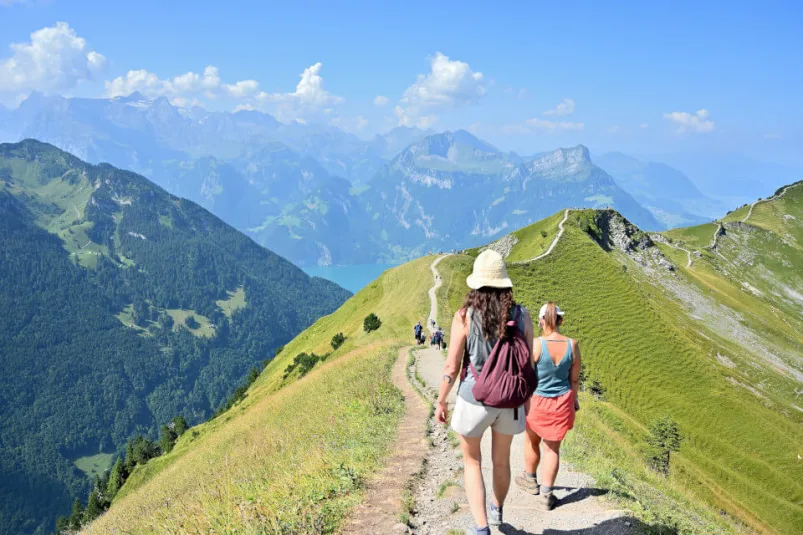
A hiking vacation sounds simple in theory: put on your shoes, head out, and enjoy nature. In practice, however, preparation determines whether the vacation will be a pleasant memory or whether you’ll end up struggling with sore feet and bad weather. If you consider a few basic things in advance, you can turn a nice trip to the mountains into a truly enriching experience—and have significantly more time to enjoy the scenery in the process.
Choosing the Right Region: More Than Just Beautiful Views
Choosing the right hiking region is the first and most important step. It’s not just about beauty, but about what kind of hiking you’re looking for. Alpine terrain with steep ascents and via ferrata routes is completely different from gentle rolling hills or expansive low-mountain landscapes. Regions like the Lesachtal in Carinthia offer both: unspoiled nature, hardly any mass tourism, and a network of trails that appeals to both beginners and experienced hikers. Those who stay at a lovely hiking hotel in Carinthia often have the added benefit of the hotel itself providing guided tours, route maps, and local knowledge—an added value that can make all the difference.
Assessing Your Fitness: Honesty Pays Off
One of the most common mistakes when planning a hike is overestimating your own fitness level. Elevation gain and distance alone don’t tell the whole story—what matters most is the combination of total distance, elevation gain, trail conditions, and your own physical condition on that particular day. A rule of thumb: If you don’t get much exercise in your daily life, you should plan a short, flat hike for your first day and let your body gradually adjust to the exertion. Blisters on your feet often aren’t caused by bad shoes, but because you haven’t broken in new shoes or because you walked too far too soon. It’s better to have a relaxed day covering 10 kilometers than a grueling forced march of 25.
Learning to Read the Weather: More Than Just the Chance of Rain
In the mountains, the weather can change completely within a few hours. If you set out in the morning under bright sunshine without checking the weather forecast beforehand, you risk finding yourself on an exposed ridge during a thunderstorm. Mountain weather reports—such as those from Zamg, Bergfex, or the local mountaineering club—are significantly more reliable than general weather apps and should be consulted before every hike. The rule of thumb is: If the forecast is uncertain, it’s better to plan an alternative route in the valley or set your departure for early morning, when the probability of thunderstorms in the mountains is statistically the lowest.
Gear: What Really Matters
You don’t need high-end gear designed for Himalayan expeditions to have a great hiking vacation. However, a few basics are essential: good, ankle-high hiking boots with grippy soles, weatherproof clothing in layers (merino base layer, fleece, rain jacket), plenty of water and some provisions, as well as a fully charged power bank. If you’re planning to go on longer hikes alone, you should also let someone know where you’re going and when you expect to return. A good map—even an offline one on your smartphone—is more reliable than GPS signals, which can sometimes cut out in the woods or between high rock faces.
Multi-Day Hikes: When Spending a Night in a Mountain Hut Is Part of the Plan
If you’re ready to take the next step, the Alps offer a dense network of mountain huts that make multi-day hikes possible without a tent. A hut-to-hut hike is a completely different experience from a day trip: you carry only the bare essentials, meet other hikers from all over Europe, and experience the mountains at times—early morning, late evening—that are hardly accessible from the valley. Most huts require advance reservations, especially during peak season. Those who plan on a whim should be prepared for cancellations. Good preparation therefore involves not only route planning but also booking accommodations along the route well in advance.

Berlin Poche
Editorial Team
Always looking for new addresses, we like to share our discoveries and make you discover the best places in Berlin.