The Growing Trend of Digital Nightlife in Berlin
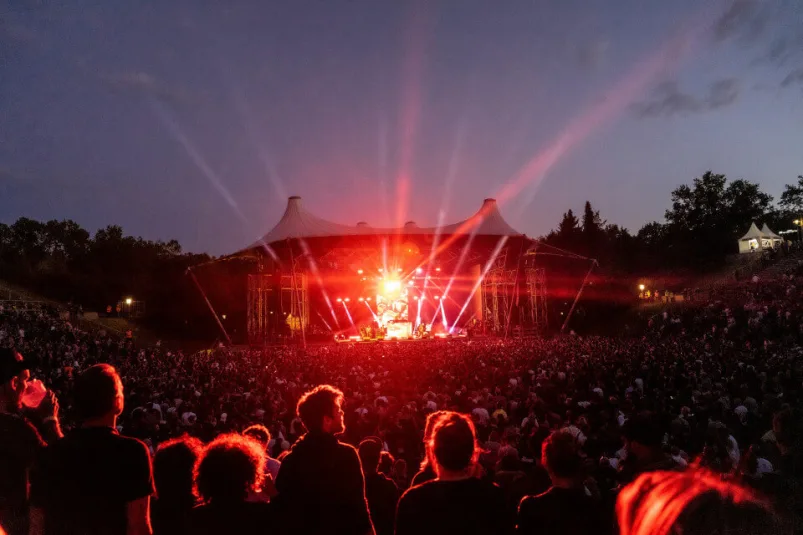
Berlin and nightlife—the connection is legendary. When people think of the German capital, they think of techno, endless nights, and clubs that shape the world. But this reputation is undergoing an exciting transformation. More and more people are shifting their evenings from crowded dance floors to digital spaces that are redefining social experiences.
This is not a short-term trend. It is a structural shift in leisure behavior—one that simultaneously challenges and enriches Berlin’s cultural identity.
Online Casinos as a New Evening Option for Berliners
In addition to gaming and virtual events, another digital leisure format has established itself: online gambling platforms with live dealers. Those who used to drive to special venues for a casino atmosphere can now enjoy this experience from home. Platform comparisons like the Bitcoin Casino Comparison help interested users find reputable providers with cryptocurrency options and make informed decisions.
According to industry observers, the future of club culture will be significantly shaped by technologies such as VR and AR, which enable immersive virtual experiences with avatars in real club environments. This development affects not only clubs but the entire digital entertainment ecosystem.
Berlin’s Nightlife Explores Digital Spaces
Gaming platforms like Discord and Twitch have long since become more than just tools for gaming. They function as social hubs that, in many ways, rival bars and clubs. For many, voice chats, tournaments, and immersive online experiences have replaced the traditional night out at a bar—all from the comfort of their sofa, with no cover charge or waiting time.
According to an analysis of Berlin’s nightlife, digital alternatives such as online multiplayer games, virtual escape rooms, and streaming services are increasingly competing with traditional nightlife. Generation Z, in particular, is showing a growing preference for private, digital evenings—a trend that is forcing clubs to adopt new approaches.
Where physical and digital experiences merge
A concrete example of this shift is “Rave Space.” With the opening of Berlin’s first virtual club, a browser-based experience emerged that combines real-time interactions like dancing, chatting, and sticker-sharing with actual party times. The project was created as a direct response to lockdowns, but it demonstrated that the demand for digital nightlife extends far beyond times of crisis.
Many traditional clubs are responding as well. During the day, they open as co-working spaces or exhibition venues; in the evenings, they stream DJ sets for a global audience. This allows them to cover fixed costs, remain relevant, and reach people far beyond Berlin’s city limits.
What This Transformation Means for Visitors
For tourists visiting Berlin, the city’s classic nightlife remains, of course, an experience to be enjoyed—and the recognition of techno culture as intangible cultural heritage underscores its enduring significance. But anyone who truly wants to understand Berlin should also take a look at the digital parallel worlds emerging here.
Berlin’s creative energy is constantly finding new forms of expression. Whether in a club, in virtual space, or on a gaming platform—the city is currently reinventing its nightlife, and that makes it one of the world’s most interesting cultural laboratories, even in the digital age.

Berlin Poche
Editorial Team
Always looking for new addresses, we like to share our discoveries and make you discover the best places in Berlin.