Vacationing with Your Dog: Why Good Planning Is Important
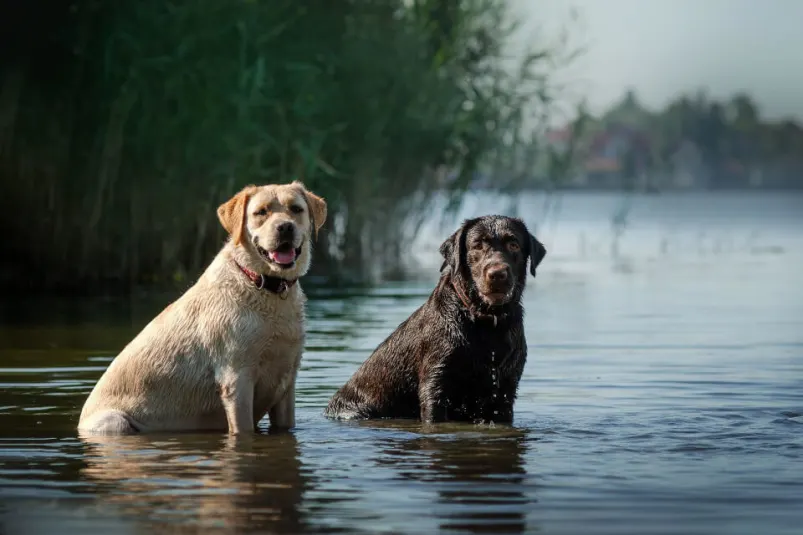
A vacation with a dog often sounds simpler than it actually is. A bit of nature, a few walking trails, a dog-friendly place to stay, and everything is set. It’s rarely quite that simple. Especially when relaxation, wellness, and your dog all come together, it’s not just the location that determines a successful stay. What matters is whether daily life on-site really works: from the first walk in the morning to quiet time in the room, to the question of how to take relaxing breaks without the dog having to tag along constantly.
Many problems arise not because a destination is unsuitable, but because not enough was checked beforehand. Dogs have needs, and so do people. When you consider both, you travel more relaxed.
What does a dog really need on vacation?
For dogs, a change of scenery is often more exciting than it is for people. New smells, unfamiliar sounds, different daily routines, and unfamiliar spaces can be exhausting. That’s why it’s not enough to just look for beautiful hiking trails or large meadows. What matters is whether the dog can find some peace and quiet in between.
A quiet room, easy access to the outdoors, and enough distance from busy areas can make a big difference. Sensitive dogs, in particular, benefit when people, suitcases, or other dogs aren’t constantly passing by right outside their door. A designated sleeping spot, their usual blanket, and familiar food also help them adjust more easily to the change of scenery.
Why Wellness Vacations with Dogs Need Clear Rules
Wellness vacations and dogs go well together when the arrangements are planned realistically. Dogs are generally not allowed in sauna, spa, or pool areas. This is understandable, but it means that while the owner relaxes, the dog must be accommodated in a safe and low-stress environment.
Before booking, you should therefore clarify whether the dog is allowed to stay alone in the room. Some accommodations allow it, others do not. Equally important is the question of whether the dog can handle being left alone. If you already know from home that your dog barks at unfamiliar noises or guards doors, you should not plan for long spa sessions. In that case, short treatments, walks in between, or a trip with a companion often make more sense.
If you’re specifically looking for a wellness hotel that allows dogs in the Black Forest, you should therefore pay attention not only to beautiful pictures and nature, but also to the specific conditions for the dog in everyday life.
What kind of environment is truly dog-friendly?
A dog-friendly region is more than just a place with forests. What matters are trails that suit your dog. Older dogs don’t need steep hikes, and young dogs don’t need a grueling routine every day. For dogs with a hunting instinct, animal trails, narrow forest paths, or winding routes can be challenging. For anxious dogs, heavily trafficked trails are often stressful.
Practical options include loop trails starting right from your lodging, shaded routes in the summer, water spots along the way, and opportunities for short walks without much preparation. The ground surface matters, too. Asphalt can get hot in the summer, rocky paths can be uncomfortable for some paws, and muddy trails mean more cleanup afterward.
What needs to be clarified before the trip?
Before booking, it’s worth going through a quick checklist. Does the accommodation simply allow dogs in general, or are there specific facilities for them? Are there additional fees? Are there size or breed restrictions? Are multiple dogs allowed? Are there areas where dogs are not permitted? How far away is the nearest veterinarian?
Food, medication, vaccination records, tick protection, towels, bowls, and poop bags shouldn’t be gathered at the last minute before departure. If you’re traveling by car, you should also plan for breaks, a safety harness, and places to drink.
Less on the itinerary often makes more sense
Many dog vacations are overplanned. Hiking in the morning, sightseeing in the afternoon, dinner at a restaurant in the evening, and some pampering in between. To humans, this sounds like a varied itinerary, but for dogs, it can quickly become too much. A better approach is a rhythm of activity and rest. A long walk, followed by several hours of rest, and then a short stroll later on. This is often more relaxing than a tightly scheduled daily plan.
A good vacation with a dog isn’t about having the most options, but about making the right choices. When the accommodations, surroundings, and daily routine suit your pet, there’s more room for what really matters: spending time together without having to reorganize every day.

Berlin Poche
Editorial Team
Always looking for new addresses, we like to share our discoveries and make you discover the best places in Berlin.