A Wellness Vacation Without Mental Overload: How to Truly Experience Relaxation
Many people book wellness vacations because they’re exhausted. Yet they end up packing their days off to the brim: a hike in the morning, a treatment at noon, a sauna in the afternoon, a dinner in the evening—and in between, taking photos, checking the news and the weather, and planning excursions. In the end, the vacation was nice, but not necessarily restful. This is exactly where it’s worth taking a different look at wellness. You don’t have to take advantage of every activity on offer. Not every day needs a full schedule. Sometimes, true relaxation only begins when there’s less going on.
Slow Down First, Then Plan
The most important step happens before you arrive. If you set out with the goal of getting as much as possible out of just a few days, you’re simply bringing the pressures of everyday life with you. It’s better to view your stay not as a to-do list, but as a framework. A good wellness vacation needs breathing room between individual moments. A treatment feels more intense if the next activity isn’t waiting immediately afterward. A sauna session is more relaxing if you’re not simultaneously wondering which restaurant still has openings for dinner.
That’s why you should consciously keep your plans minimal. One or two set activities per day are often more than enough. Everything else can just happen naturally. This creates the feeling that you don’t have to be “on.”
The surroundings matter more than you think
Wellness isn’t just about the pool, sauna, or massage. The surroundings play a major role. Light, materials, sounds, pathways, sightlines, and the atmosphere inside the building all influence whether your mind can truly unwind. A hotel can offer many amenities and still feel restless. Conversely, a minimalist, uncluttered setting can be more effective than an overloaded spa menu.
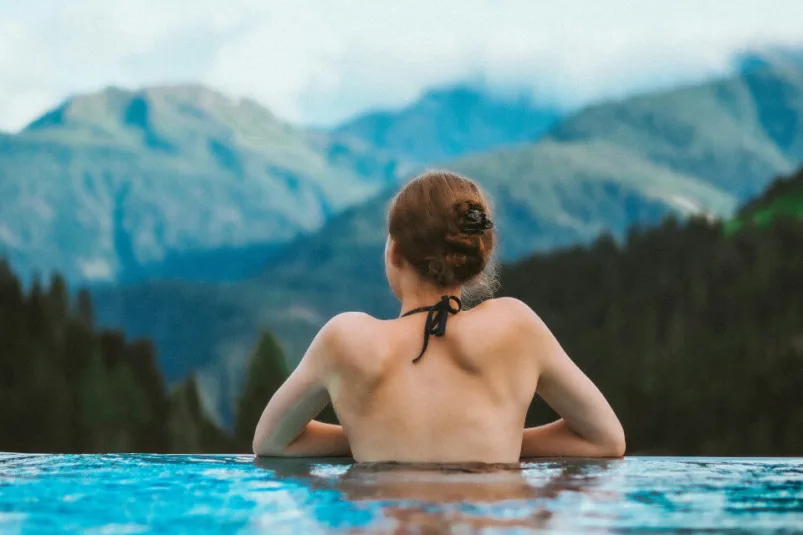
Anyone seeking a conscious break from everyday life on vacation will quickly realize that this wellness hotel in the Dolomites offers relaxation not only through its spa treatments but also through an environment that makes tranquility possible in the first place. Especially in the mountains, this combination of nature, seclusion, and thoughtful design is particularly valuable.
Enjoying Wellness Without the Pressure to Perform
A common mistake is the idea that you have to “do” wellness “right.” Staying in the sauna as long as possible, booking as many treatments as possible, eating as healthily as possible, getting up as early as possible. This just creates more pressure. But relaxation doesn’t work according to a checklist. Some people need exercise; others need sleep. Some relax in the water; others while reading, walking, or doing nothing at all.
It therefore makes sense to pay attention to your own state of mind. If you arrive feeling tired, you shouldn’t jump right into an active routine. If you sit a lot, you might benefit from light exercise. If you’re feeling restless inside, you need calm routines rather than new stimuli. Wellness is best when it adapts to you and doesn’t create even more expectations.
Consciously Incorporate Digital Breaks
Even your smartphone can prevent a wellness vacation from truly having an effect. Not because you’re not allowed to use it at all, but because being constantly reachable keeps your mind stuck in everyday life. Even small rules can help: don’t check messages first thing in the morning, consciously set your phone aside in the spa area, sort through photos later, and don’t research excursions every minute.
A stay becomes especially relaxing when you make more room for “analog” moments. A leisurely breakfast, a glance out the window, a walk with no particular destination, or an hour in the relaxation room can be more effective than the next perfectly planned excursion.
Conclusion: True relaxation requires fewer distractions
A successful wellness vacation doesn’t depend on how many activities a hotel offers. What matters is whether the stay helps you slow down. Those who plan less, make more mindful choices, and take breaks seriously usually return feeling more refreshed. The best getaway isn’t the one with the most packed itinerary, but the one where your body and mind finally don’t have to constantly react.

Berlin Poche
Editorial Team
Always looking for new addresses, we like to share our discoveries and make you discover the best places in Berlin.